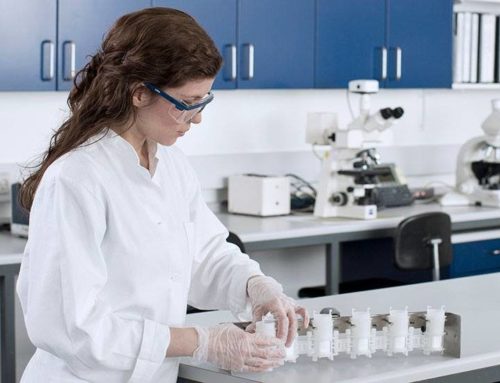
“Bacteria are like young children; they do anything they want,” Bob Greene explains. Only one microbe needs to lodge in a fissure the size of a human hair to start multiplying exponentially. Many bacteria can double in size every 20 minutes in optimum conditions. Standard sanitation chemicals may not be able to eliminate a biofilm formed by these bacteria. This condition might cause a sudden change to our sanitation program result. It is no surprise to witness one or two instances of random micro spikes in your finished product.
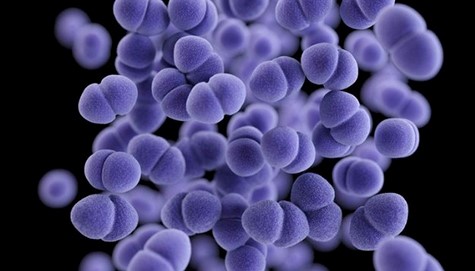
Providing a good and accurate ATP program, will, help you to handle this issue. ATP program is closely related to an additional sanitation and cleaning action after the Clean-in-Place (CIP) program. A robust ATP program that gives immediate pass/fail result is necessary in order to decide the next step of the program. Other than the ATP program, a Microbiological Environment Program might be an excellent plan to do next. This includes testing for pathogens and indicator organisms such as Coliforms and Enterobacteriaceae.
Many industries are using an external lab to do this program. However it is quite do-able to be done in-house. The cost of setting up a small lab to conduct sanitation and environmental microbial monitoring is minimal. Simply with a small incubator, some pipettes, and a bag of Microbial peel plate test you can test indicator organisms, such as Aerobic Bacteria (AC), Coliforms (CC), Enterobacteriaceae (EB), and E. coli (EC).
In such need, Charm has helped lots of cases regarding the microbes problem all around the world by providing the Charm Novalum System for ATP testing and the Microbial Peel plate test which can give you not only an reliable, but fast result.
Original Article : https://www.charm.com/how-often-do-you-see-random-microbial-spikes/
Related Products
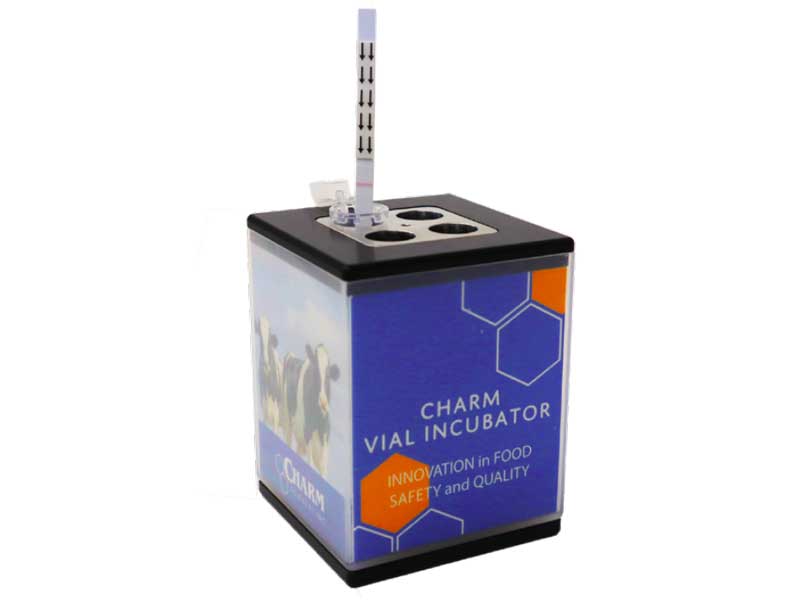
Charm Vial Incubator for Portable Testing
The Charm® Vial Incubator is designed to simplify testing and provide real-time results. This portable, lightweight incubator automatically adjusts to the correct temperature for Charm DIP Test. Simply dip the strip into the milk sample and visually interpret in ten minutes.
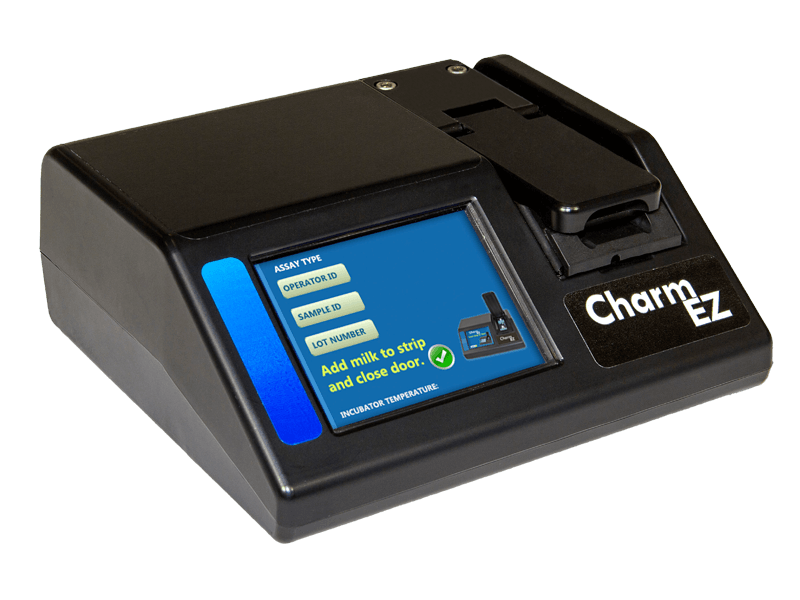
ROSA Antibiotic Equipment – Charm EZ System
Dairy industry’s first combined incubator and reader making quick work of antibiotic and aflatoxin M1 testing in milk. Simply insert a ROSA (Rapid One Step Assay) lateral flow strip and add milk.

NovaLUM II ATP Detection System
Advanced Sensitivity: The novaLUM II ATP Detection System is a palm sized luminometer that offers superior science for advanced sanitation control.